

Gatorade Recall 2026 122,021 cases recalled over undeclared yellow dyes
The Gatorade recall 2026 affects 122,021 cases. Some products contain undeclared Yellow No. 5 and Yellow No. 6.
The recall covers four Gatorade varieties in 28-ounce bottles and applies to products distributed across 37 U.S. states. Consumers should check the flavor, bottle size, and lot information to determine whether their product is affected.
PepsiCo initiated the recall on September 25, 2026. The U.S. Food and Drug Administration (FDA) classified it as a Class II recall on October 2..

Gatorade Recall 2026 what products are affected
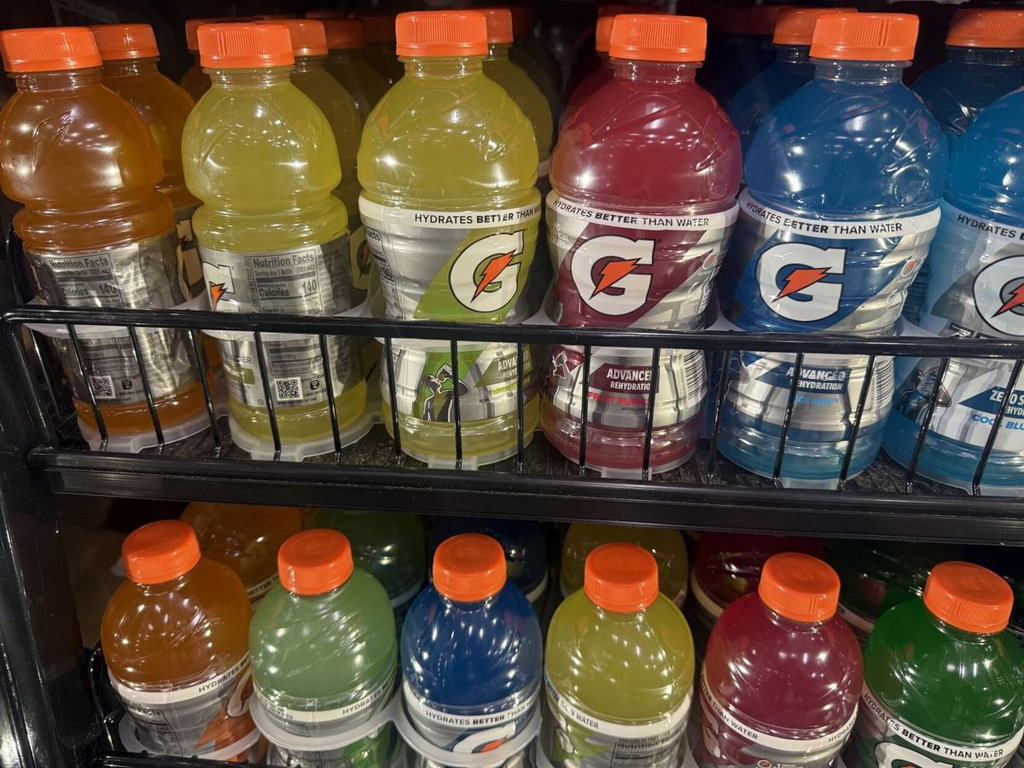
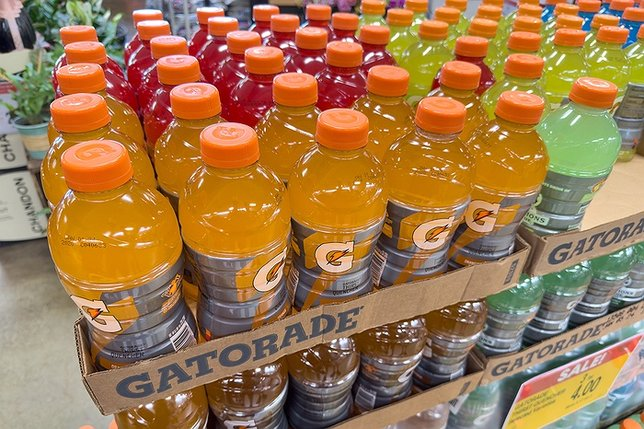
The current recall is limited to specific 28-ounce Gatorade bottles. The four affected varieties are:
- Gatorade Lemon Lime
- Gatorade Lemon Lime Zero
- Gatorade Orange
- Gatorade Orange Zero
The Gatorade recall products issue involves the presence of Yellow No. 5 and/or Yellow No. 6, synthetic color additives used to give food and beverages their characteristic colors. The problem is not simply that the beverages contain coloring; the FDA recall concerns the fact that the affected dyes were not declared on the product labels.
The affected products reportedly carry lot dates associated with April, May and June 2027. Consumers should compare the information on their bottles with the official FDA recall information rather than assuming that every bottle of the affected flavor is included.
How many gatorade cases were recalled
The FDA-listed recall involves 122,021 cases of Gatorade. The products were distributed across 37 states, making this a broad U.S. recall rather than an isolated regional withdrawal.
The affected states include:
Alabama, Alaska, Arizona, Arkansas, California, Colorado, Florida, Georgia, Hawaii, Idaho, Illinois, Indiana, Iowa, Kansas, Kentucky, Louisiana, Michigan, Minnesota, Mississippi, Missouri, Nebraska, Nevada, New Jersey, New Mexico, New York, North Carolina, North Dakota, Ohio, Oklahoma, Pennsylvania, South Carolina, South Dakota, Tennessee, Texas, Utah, Washington and Wisconsin.
This geographic coverage means shoppers should check their products even if they are outside the states most prominently mentioned in news reports.
Why was gatorade recalled
The central issue is undeclared food dyes.
According to the FDA information reported by CBS News, the affected Gatorade recall products contain Yellow No. 5 and/or Yellow No. 6, but those color additives were not properly declared on the labels.
Food labels are important because consumers rely on ingredient declarations to identify substances that may be relevant to allergies, sensitivities, dietary choices or other health considerations.
The FDA permits certain color additives to be used in food and beverages, but their presence still has to comply with applicable labeling requirements.

What are yellow no. 5 and yellow no. 6
Yellow No. 5, commonly known as tartrazine, and Yellow No. 6, commonly known as Sunset Yellow FCF, are synthetic food color additives.
They are used to provide or enhance yellow, orange or related colors in processed foods and beverages The FDA has approved their use under specified conditions, but consumers must still be able to identify them through appropriate labeling.
The FDA notes that reactions to these color additives can occur, although such reactions are uncommon in the general population. Reported possible reactions include mild skin symptoms and allergic-type asthma in susceptible individuals.

What does a class II FDA recall mean
The FDA classified the Gatorade recall as Class II on October 2, 2026.
A Class II recall is used when exposure to a recalled product may cause temporary or medically reversible adverse health consequences, or when the likelihood of serious adverse health consequences is considered remote.
This classification is important because it puts the Gatorade recall into context. It does not mean that every person who drinks an affected bottle will become sick, nor does it indicate that all Gatorade products are being recalled.
Instead, the classification reflects the FDA’s assessment of the potential consequences associated with the specific recall issue.